By Elias M.
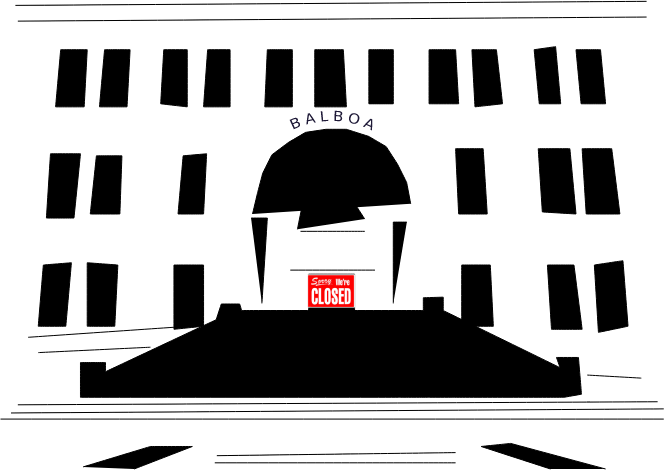
On March 12th, 2020, the San Francisco Unified School District’s Board of Education made the call to cancel schools, extracurricular activities, childcare, before and after school services, health services, and enrichment for 3 weeks, citing a need to “[use] the time to prepare and train on how to educate and support community health during this pandemic”.
Yet just shy of a year later, high school students are just as close to returning to the classroom as they were a year ago.
A year out of the classroom won’t come at a small cost, making students return ever more vital.
UNICEF, the United Nations agency for children warned that the “potential of this generation of young people may well be lost”. A report done by McKinsey & Co found that “Students on average likely to lose five to nine months of learning by the end of this school year.” Students of color, it found, could fall upwards of 6 months behind their white classmates.
Education psychologists have also warned of the effects of “loss of access to the friends, teachers, and routines associated with going to a physical campus”.
“I used to thrive mentally on being around classmates and friends in school and having those social interactions”, said a sophomore at Balboa. “With online school, I don’t get that interaction and so for the past year I’ve had this battle with school because I’m doing really well with my grades and I’ve even been participating in extracurriculars but at the same time I feel so alone.”
We need to start reconsidering how much schools matter to society. Somewhere along the line, schools got passed up when considering what was “essential”, and what was not. It’s a low point for all of society when we consider bars, and casinos more essential than the education of young people.
Although moves are being made to return students into the classroom, they can’t seem to come quick enough. On February 3rd, 2021, the City Attorney of San Francisco, Dennis Herrera, sued the San Francisco Unified School District for violating a state law that directs school districts to develop plans to reopen schools. Herrara then expanded the suit to include a possible state constitution violation, requesting a court to ”stop depriving San Francisco school children of their constitutional rights and to offer in-person instruction to the greatest extent possible, as the law requires.”
More recently, United Educators San Francisco, (the teachers’ union), reached a tentative agreement with the school board to allow classes of 22 or fewer students in grades 3 and under to return to classrooms as early as April 12th, a year and a month since they shut down. This deal would only apply to the youngest students, and SFUSD is still yet to announce a date for high schoolers to return to classrooms.
Across the country, in school districts of every size, from the largest to smallest, attempts have been made to safely return their students to the classroom. In one way or the other, 9 out of the 10 largest school districts in the country have been able to have some form of in-person learning.
Students need to be prioritized. Student’s needs need to be considered.
Students need to get back to school.
 The Balboa Buc